
INTERNATIONAL FACULTY RECRUITMENT
Recruit Academic Talent Across Borders
Faculty, Research and Academic Leadership Recruitment for Universities
Global Recruitment Experts helps universities and higher education institutions recruit faculty, researchers, academic leaders and specialist professionals internationally. Each search is built around the institution’s discipline, appointment type, location and selection requirements.
International Academic Recruitment for Universities and Research Institutions
Specialist faculty and leadership appointments cannot always be filled through local advertising. The right candidate may work in another country, sit outside the institution’s existing network or require a direct approach before considering a move.
GRE helps universities, colleges, research institutions and other higher education employers run focused international searches. The work begins with the institution’s requirements: the discipline, appointment structure, academic criteria, research or teaching priorities, location and decision process attached to the role.
GRE then identifies relevant candidate markets, approaches prospective candidates and reviews their information against the institution’s stated requirements. Qualified candidates move into the institution’s interview, evaluation and appointment process.
When International Academic Recruitment Makes Sense
International sourcing is most useful when an institution needs expertise that is scarce locally or when standard advertising has not produced a credible shortlist.
- A specialised discipline, research area or professional background limits the available candidate pool.
- A faculty or leadership appointment requires both academic credibility and specific institutional experience.
- The institution needs to reach academics who are not actively applying for positions.
- A new programme, research centre or departmental expansion requires several related hires.
- The search must extend beyond the institution’s existing geography or professional network.
GRE works with the hiring team to define the role criteria and search priorities before outreach begins. This keeps the search tied to the institution’s actual requirements rather than a generic pool of available candidates.

Work With an International Academic Recruitment Partner
International faculty hiring carries institutional risk. A misaligned dean, chair, or research lead affects rankings, funding, accreditation, and long term strategy.
If your institution is struggling to fill academic roles, expand hiring internationally, or strengthen leadership pipelines, GRE provides the recruitment support needed to move faster and hire better.

How GRE Supports an International Academic Search
GRE supports the recruitment process by:
- Clarifying the appointment requirements, academic criteria and search priorities.
- Identifying relevant institutions, countries and candidate pools.
- Conducting targeted research, sourcing and direct outreach.
- Reviewing candidate information against the institution’s stated requirements.
- Presenting qualified candidates for the institution’s interview and selection process.
Job advertising reaches academics who are already looking. A targeted international search can also reach faculty, researchers and academic leaders who may not be monitoring job boards or planning an immediate move.
The institution retains responsibility for formal credential verification, committee evaluation, background checks, employment decisions, regulatory compliance, immigration advice, sponsorship and the final appointment. GRE supports recruitment and candidate-employer coordination; it does not replace the institution, appointing authority or qualified advisers.
Academic Roles GRE Can Help Institutions Recruit
GRE supports international searches across faculty, research, specialist and academic leadership appointments. The exact search is defined around the institution’s requirements rather than a fixed list of job titles.
Tenure-Track, Adjunct and Visiting Faculty
GRE helps institutions recruit tenure-track professors, adjunct faculty and visiting lecturers across academic disciplines. Each search reflects the required subject expertise, teaching experience, research record, appointment type and institutional expectations.
Research and Postdoctoral Appointments
Searches can include postdoctoral researchers, research fellows, research staff and other specialist appointments connected to funded programmes, laboratories, institutes and research centres.
STEM and Other Hard-to-Fill Roles
Some appointments require a narrow combination of academic, technical and professional experience. GRE can extend the search internationally for roles in STEM, healthcare, engineering and other fields where the local candidate pool is limited.
Academic Leadership and Executive Search
Senior academic appointments require a more targeted search than standard faculty recruitment. GRE helps institutions identify leaders whose credentials, subject knowledge and operational experience match the institution’s stated requirements.
Leadership searches may include:
- Deans and associate deans
- Provosts and deputy vice-chancellors
- Department chairs and programme directors
- Presidents and vice-presidents academic
- Academic directors and research-centre leaders
GRE conducts candidate research and outreach, then reviews candidate information against the academic, leadership and experience criteria established by the institution. The institution controls formal evaluation, committee review, interviews and the final appointment decision.
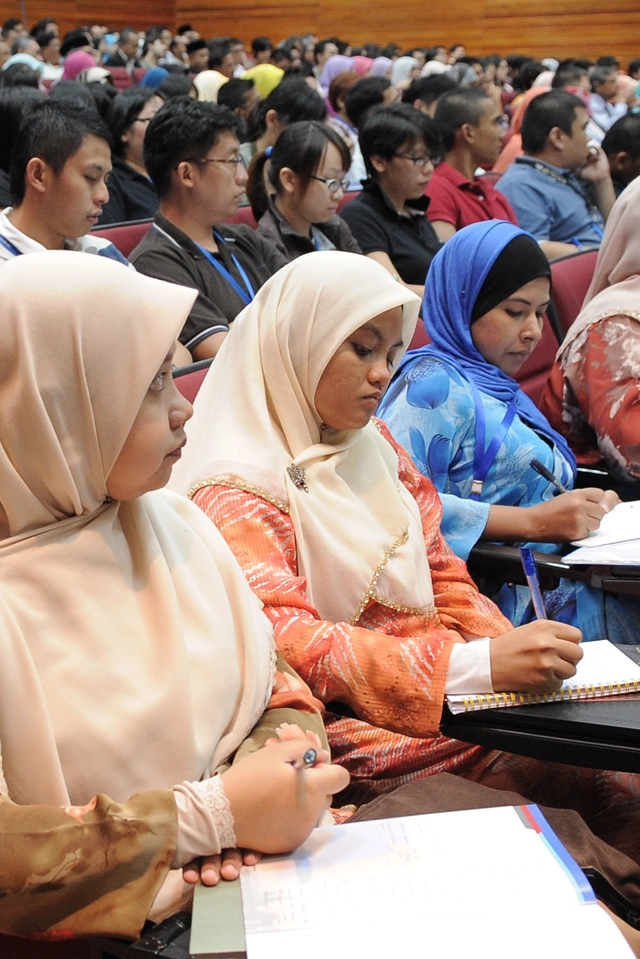
Recruit US Academics for International Institutions
GRE can identify and approach US faculty, researchers and academic leaders for universities and other higher education institutions outside the United States.
The search begins with the institution’s discipline, appointment type, location, academic requirements and selection priorities. GRE then identifies relevant academics whose experience may fit the opportunity and approaches them as part of the wider international search.
This is one component of GRE’s cross-border academic recruitment service. Searches are not limited to US candidates or US institutions; the appropriate candidate markets depend on the role and the employer’s requirements.
Individual, Multi-Role and Ongoing Recruitment Support
Some institutions need help with one specialist appointment. Others need coordinated recruitment across a department, research initiative or campus.
GRE can support:
- One defined faculty, research or leadership search
- Several related appointments within a department or programme
- Coordinated recruitment for a new research centre, academic programme or institutional expansion
- Ongoing recruitment support across multiple searches
When an institution needs an outsourced recruitment function across departments or hiring programmes, Recruitment Process Outsourcing may be more appropriate than an individual or multi-role search.
Ready to Recruit Faculty, Researchers or Academic Leaders Internationally?
Tell GRE which roles you need to fill, where the institution is hiring and which qualifications or experience the successful candidate must bring. We will help define the search and determine how international sourcing can support it.
Common Questions
What universities and higher education employers ask about international academic recruitment
Does GRE recruit faculty for universities?
Yes. GRE supports faculty searches for universities, colleges and other higher education institutions. Searches can include tenure-track, adjunct and visiting faculty, as well as research, academic leadership and specialist appointments.
Can GRE source US academics for international institutions?
Yes. GRE can identify and approach US faculty, researchers and academic leaders for institutions outside the United States. Each search is based on the institution’s discipline, appointment type, experience requirements, location and selection priorities.
Which academic and leadership roles can GRE recruit?
GRE can recruit professors, adjunct and visiting faculty, postdoctoral researchers, research staff, deans, provosts, department chairs, programme directors, academic directors and research-centre leaders. The exact scope is established with the institution before sourcing begins.
How does cross-border academic recruitment work?
GRE defines the search with the institution, identifies relevant candidate markets, conducts targeted outreach and reviews candidate information against the employer’s stated requirements. Qualified candidates then move into the institution’s interview, evaluation and appointment process.
Can GRE support several academic appointments at the same time?
Yes. GRE can support one specialist appointment or coordinated recruitment across several related roles. An institution that needs an ongoing outsourced recruitment function can separately assess whether Recruitment Process Outsourcing is a better fit.
What remains the institution’s responsibility during international hiring?
The institution and its authorized advisers remain responsible for formal credential verification, background checks, regulatory decisions, employment compliance, immigration advice, sponsorship, authorization to work or practise and the final hiring decision. GRE supports recruitment and candidate-employer coordination; it does not replace the responsible authorities or qualified advisers.
Recent Articles
How to Recruit STEM Faculty Internationally: A Practical Employer Guide
A practical guide for institutions planning an international search for STEM faculty, including role definition, sourcing, candidate evaluation and coordination with the hiring committee.
Trends in Higher Education Hiring in 2025 – Market Outlook and GRE Insights
Review the pressures shaping faculty and academic leadership recruitment, including specialist talent shortages, cross-border competition and longer institutional decision processes.
Compliance Note
Cross-border recruitment must account for employment, credential, registration, immigration, sponsorship, data-protection, and onboarding requirements. GRE incorporates identified requirements into the recruitment process and coordinates candidate and employer communication. Formal verification, regulatory decisions, legal compliance, immigration advice, sponsorship approval, and authorization to work or practise remain with the responsible employers, authorities, and qualified advisers.
