

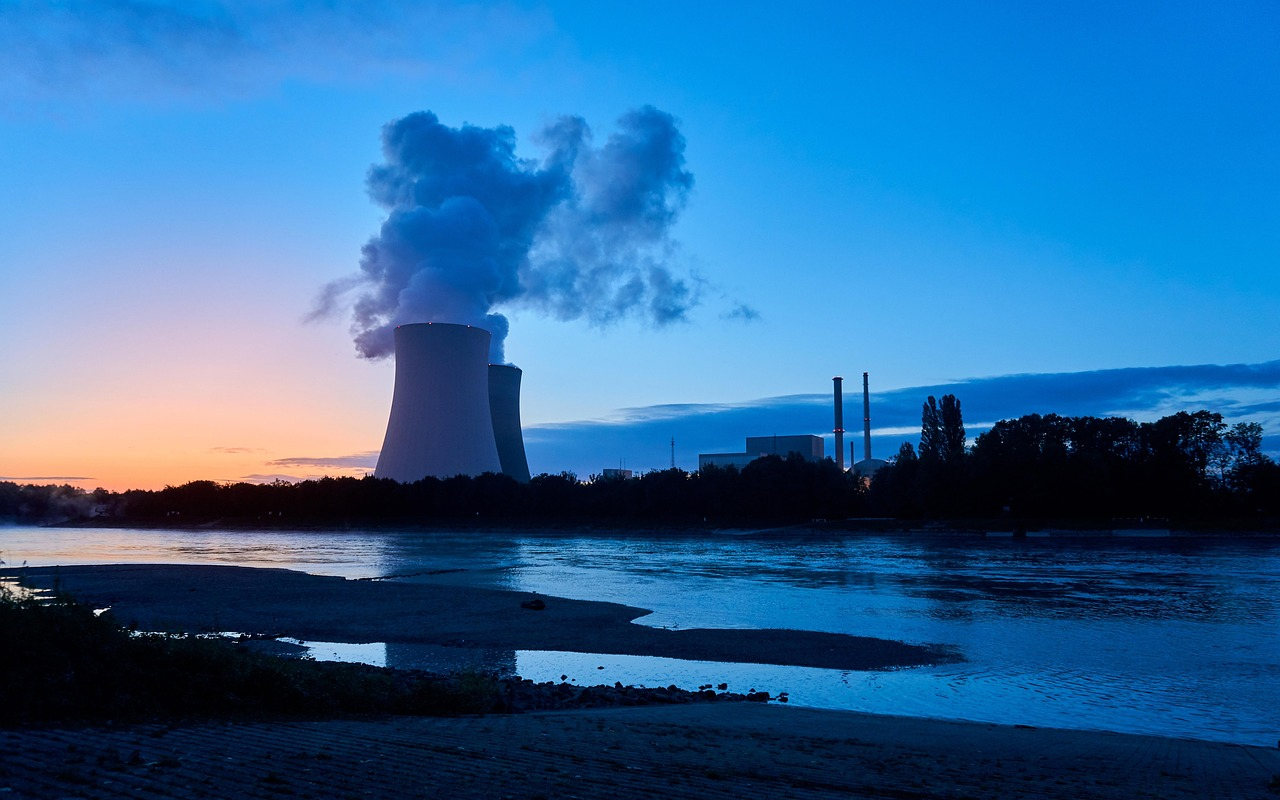
Energy Megaproject Staffing: How International Hiring Supports Timelines
Energy megaprojects do not fail quietly. When staffing falls behind, schedules slip, budgets inflate, and delivery risk compounds fast.
Across LNG terminals, nuclear facilities, renewable energy installations, and large-scale grid infrastructure, project timelines are increasingly constrained not by engineering capability or capital availability, but by workforce access. Industry data shows that 98% of major construction projects now experience delays, with schedules extending 37% longer than originally planned. Nearly half of these delays are directly tied to labor shortages. As projects scale into the multi-billion-dollar range, talent shortages have become one of the most predictable causes of delay.
In large-scale energy construction, even modest workforce gaps can cascade into months of delay and millions in lost value.
For project directors, EPC leaders, and HR teams, one reality is now unavoidable: energy megaproject timelines depend on international workforce mobility.
The Scale of Energy Megaproject Workforce Demand
A Global Surge in Energy Construction
Energy investment is accelerating globally. LNG expansion, nuclear restarts, renewable scale-up, and grid modernization are all happening at the same time.
Key indicators illustrate the scale of demand:
- Global energy employment reached approximately 76 million workers, up more than five million since 2019
- The global energy sector is forecast to hire over 30 million workers between 2025 and 2035
- Nuclear workforce demand is expected to nearly triple by 2050
- LNG demand is projected to increase 60 percent by 2040, with major capacity expansions underway in the Middle East, North America, and Australia
- In the U.S. alone, more than 200,000 additional grid and transmission workers will be required by 2030
These figures reflect a structural shift, not a temporary surge.
Why Local Labor Markets Cannot Keep Up
Despite strong domestic hiring efforts, no single labor market can supply the specialized workforce required to deliver energy megaprojects at scale.
The reasons are structural:
- Aging workforce: In advanced economies, there are more than two energy workers nearing retirement for every new entrant under 25
- Long skill development cycles: Roles such as LNG commissioning managers, nuclear operators, grid protection engineers, and cryogenic specialists require years of project-specific experience
- Remote project locations: Many megaprojects are located far from population centers, limiting local hiring pools
- Simultaneous competition: Multiple megaprojects often launch within the same region, driving wage inflation and talent shortages
Key takeaway: Energy megaprojects require specialist skills that exist in limited numbers globally. Domestic-only hiring strategies cannot meet peak demand.
How Workforce Shortages Derail Megaproject Timelines
The Delay Cascade
Workforce gaps rarely cause a single missed milestone. They trigger a chain reaction.
Industry benchmarks show:
- Nearly all large construction projects experience some level of delay
- Average project durations extend 30–40 percent beyond original schedules
- Budget overruns of 50–80 percent are common on megaprojects affected by labor shortages
- Every day of delay on a multi-billion-dollar project can mean millions in carrying costs, penalties, and deferred revenue
Phases Most Vulnerable to Staffing Gaps
Certain project phases are especially sensitive to workforce shortages:
- FEED and detailed engineering: Specialist designers and system engineers are in short supply globally
- Construction and installation: Skilled trades, inspectors, and safety personnel must be available in volume
- Commissioning and start-up: Highly specialized roles with limited global availability
When these roles are unfilled, projects stall regardless of how advanced other phases may be.
Real-World Examples
- LNG projects delayed due to shortages of cryogenic and commissioning specialists
- Nuclear programs stalled waiting for licensed operators and safety engineers
- Offshore wind installations paused due to lack of specialized marine engineers
- Data center power infrastructure delayed by grid engineering constraints
Once delays occur, recovery becomes increasingly expensive and complex.
Why Domestic-Only Hiring Strategies Fail
The Talent Constraint Is Universal
No country has surplus capacity across all required energy disciplines. Even traditional energy hubs face shortages when multiple projects overlap.
Local labor markets are already under pressure from:
- Competing megaprojects
- Aging skilled workforces
- Slow graduate pipeline growth
- Rising wage expectations
Skills and Experience Mismatch
Even when local candidates are available, they may lack:
- Megaproject execution experience
- Exposure to specialized systems or equipment
- Required certifications or safety credentials
- Experience working within EPC-driven delivery models
Training from scratch is rarely compatible with fixed project timelines.
Geographic and Infrastructure Limitations
Remote project locations introduce additional challenges:
- Insufficient housing capacity
- Limited transport infrastructure
- Reduced appeal for permanent relocation
- Dependence on rotational or project-based staffing models
These factors further constrain domestic hiring efforts. When three LNG terminals on the U.S. Gulf Coast enter construction phases concurrently, they compete for the same regional welders, pipefitters, and inspectors. Wage inflation follows—organizations that budgeted $35 per hour for craft labor find themselves paying $45-50 per hour by mid-project, or unable to hire at any price.
How International Recruitment Supports Timelines
Access to Global Specialist Pools
International recruitment allows project leaders to source talent from established energy markets including the UK, Canada, Europe, Australia, Asia-Pacific, and the United States.
This enables:
- Matching skills to project requirements, not compromising on qualifications
- Access to professionals with direct experience on comparable megaprojects
- Rapid scaling during critical phases
Speed and Predictability
Established international hiring pipelines reduce time-to-hire from months to weeks.
Key advantages include:
- Pre-vetted candidate pools
- Faster mobilization for contract and project-based roles
- Reduced dependency on last-minute emergency hires
Experience Transfer and Quality Assurance
Professionals who have commissioned LNG facilities, nuclear plants, or renewable installations in one market bring transferable expertise to new projects.
This experience reduces:
- Rework and quality defects
- Safety incidents
- Learning curve delays during commissioning
Typical International Staffing Models
- Engineering phases staffed by multinational EPC teams
- Construction phases supported by international skilled trades and supervisors
- Commissioning phases led by specialists with prior start-up experience
- Operations phases blending international leadership with local workforce development
The Complexity of Cross-Border Hiring
International hiring is powerful, but not simple.
Immigration and Compliance Challenges
Energy employers must navigate:
- Employer-sponsored visas and work permits (such as H-1B in the United States, TSS in Australia, or employer-led systems in Qatar and the UAE)
- Varying processing timelines by country
- Local labor law compliance
- Tax and social security obligations
- Professional licensing and credential recognition
- Security clearances for critical infrastructure roles
Mobilization Requirements
Successful mobilization includes:
- Medical and fitness-for-duty assessments
- Background and security checks
- Housing and logistics coordination
- Site onboarding and safety training
- Cultural and regulatory orientation
Managing this at scale is rarely feasible without specialist support.
The Role of Specialized International Energy Recruiters
What Specialist Recruiters Provide
- Global talent networks across LNG, nuclear, renewables, and grid infrastructure
- Pre-screened specialists with verified project experience
- Immigration and compliance coordination across jurisdictions
- Bulk mobilization support for large hiring waves
- Lifecycle staffing, from FEED through operations
Risk and Cost Mitigation
Proactive international recruitment reduces:
- Emergency premium hiring costs
- Schedule slippage penalties
- Overreliance on single labor markets
- Workforce continuity risks
In most cases, the cost of delayed delivery far exceeds the cost of strategic international recruitment.
Best Practices for International Workforce Planning
Plan early. Identify international hiring needs before FID whenever possible.
Map roles by phase. Determine which positions require global sourcing versus local development.
Build returning worker programs. Re-engage proven specialists across multiple projects.
Partner with globally positioned recruiters. Choose firms with on-the-ground presence in key talent markets.
Invest in compliance infrastructure. Standardize processes for visas, medicals, and onboarding.
Plan knowledge transfer. Use international experts to train and develop local successors.
Prepare contingencies. Develop secondary talent markets and alternative visa pathways.
International Hiring Is Now Core to Megaproject Strategy
Energy megaprojects are getting larger, more complex, and more simultaneous. Talent constraints are intensifying, not easing.
Organizations that treat international workforce planning as a strategic capability consistently deliver on time, control costs, and build repeatable delivery models. Those that rely solely on domestic hiring face escalating delays and risk exposure.
The question is no longer whether to recruit internationally. The question is whether your organization can mobilize global talent fast enough to protect your timelines.
Energy megaprojects that master international hiring will meet their milestones. Those that do not will become case studies in preventable delay.